
Pelvic Pain: Understanding the Causes, the Pelvic Floor, and How PT Can Help
Pelvic pain is common—but it’s not normal. From endometriosis to pelvic floor dysfunction, there are many causes, and physical therapy can help uncover the root issue. At Wildflower PT & Wellness in Indianapolis, we provide personalized pelvic health care so you can move with less pain and more confidence.
Living With Pelvic Pain
Pelvic pain is more common than most people realize—and it’s often underdiagnosed or misunderstood. For some, it feels like a constant dull ache. For others, it’s sharp, burning, or a sense of heaviness that makes movement uncomfortable. Pelvic pain can affect everything from exercise to intimacy, and it often leaves women feeling frustrated when they’re told their pain is “normal” or that nothing can be done.
At Wildflower Physical Therapy & Wellness in Indianapolis, we want women to know that pelvic pain is not something you just have to live with. There are answers, and physical therapy can help.
What Conditions Can Cause Pelvic Pain?
Pelvic pain isn’t just one condition—it’s a broad symptom that can have many different underlying causes. Some of the most common conditions we see include:
Pelvic floor muscle dysfunction: Muscles may be overactive/tight or underactive/weak, both of which can cause pain.
Dyspareunia: Pain with intimacy, often linked to pelvic floor dysfunction, scar tissue, or hormonal changes.
Endometriosis: Tissue growth outside the uterus can create significant pelvic and abdominal pain.
Interstitial cystitis (painful bladder syndrome): Chronic bladder pain and urinary frequency/urgency.
Vulvodynia or vestibulodynia: Burning or stinging pain in the vulvar area.
Pelvic organ prolapse: A feeling of heaviness or bulging in the pelvic region.
Scar tissue restrictions: From childbirth, c-section, hysterectomy, or other surgeries.
Hip, back, or core imbalances: Sometimes pelvic pain is a result of surrounding joints and muscles not working properly together.
Each woman’s pelvic pain journey is unique. That’s why a thorough evaluation is essential—we treat you, not just the diagnosis.
Understanding the Pelvic Floor
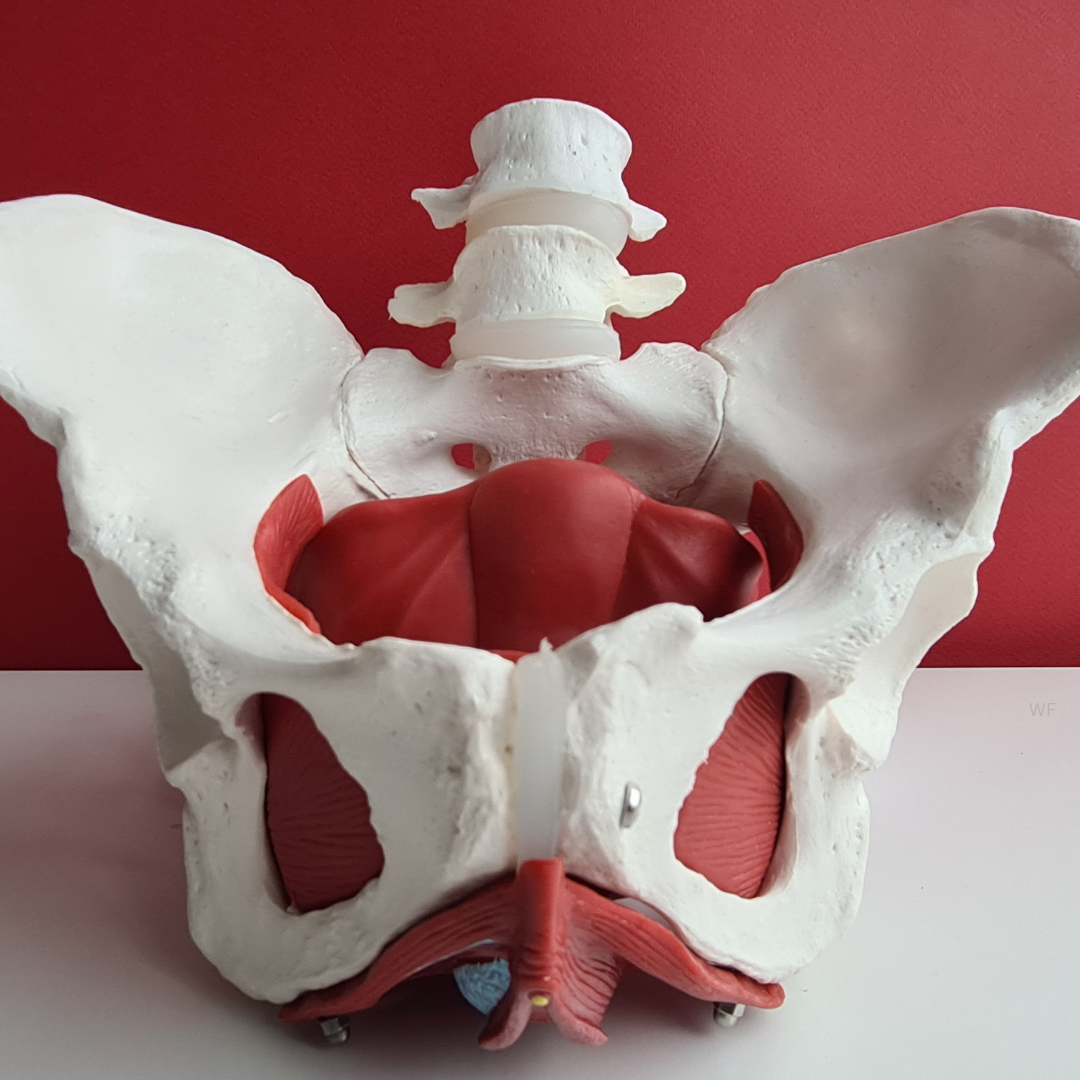
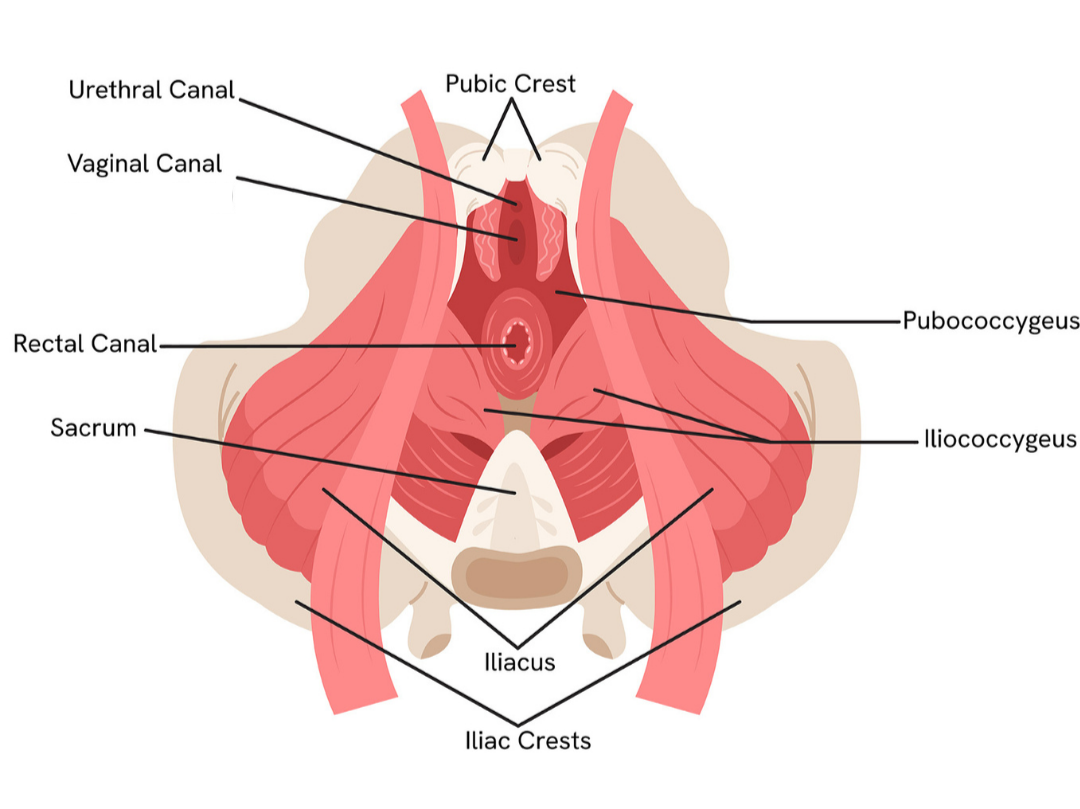
To understand pelvic pain, it helps to know a bit about the anatomy. The pelvic floor is a group of muscles at the base of your pelvis that act like a supportive hammock. These muscles play a critical role in:
Supporting pelvic organs (bladder, uterus, rectum)
Controlling bowel and bladder function
Providing stability for the spine and hips
Sexual function and comfort
When these muscles aren’t working properly—whether they’re too tight, too weak, or uncoordinated—pain can develop.
Why “Just Do Kegels” Isn’t Always the Answer
A common misconception is that pelvic pain means your pelvic floor is “weak,” and therefore the solution is kegels. But here’s the truth: a muscle that’s too tight can be weak, and a muscle that’s too lengthened can also be weak.
Tight/overactive muscles: These may cause burning, stabbing pain, or pain with intimacy. Strengthening alone (like kegels) won’t help—in fact, it can make things worse. These muscles need relaxation, stretching, and retraining first.
Lengthened/underactive muscles: These may cause heaviness, leaking, or instability. Here, targeted strengthening does help.
The real key: Assessment by a pelvic health physical therapist, who can determine what your muscles actually need—relaxation, strengthening, coordination, or a combination.
This is why a “one-size-fits-all” approach doesn’t work. Pelvic pain treatment has to be tailored to your body.
How Physical Therapy Helps Relieve Pelvic Pain
At Wildflower PT & Wellness, pelvic pain treatment may include:
Manual therapy: Gentle release of tight muscles or scar tissue.
Pelvic floor retraining: Teaching your muscles when to contract and when to relax.
Core and hip strengthening: Improving support around the pelvis.
Posture and movement education: Helping you move in ways that reduce strain.
Breathing techniques: Connecting the diaphragm and pelvic floor for better muscle coordination.
This holistic approach doesn’t just reduce pain—it helps restore confidence in your body and allows you to return to the activities you love. Learn more about our pelvic health services here.
Final Thoughts
Pelvic pain is real, it’s common, and it’s treatable. Whether your pain comes from tight muscles, scar tissue, endometriosis, or pelvic floor dysfunction, there are solutions beyond medication or “just dealing with it.”
At Wildflower Physical Therapy & Wellness in Indianapolis, we provide compassionate, one-on-one care to help women uncover the root cause of their pelvic pain and create a customized plan for healing.
👉 If pelvic pain is interfering with your life, don’t wait—contact us today to schedule your pelvic health evaluation. Relief is possible, and you deserve to feel comfortable and confident in your body again.
If you are struggling with illness or injury and would like to get your body moving, schedule a physical therapy appointment with us today! At Wildflower Physical Therapy & Wellness, we can help you to get back to the life you want to live through pain management strategies, activity promotion and exercise. Our Cash Based Physical Therapy model allows us to deliver a highly individualized treatment plan without the fuss of insurance companies. Interested in trying dry needling to support your exercise routine and maximize recovery? Reach out to us today!