
Learn More About Lumbar Disc Herniations and How Physical Therapy Can Help
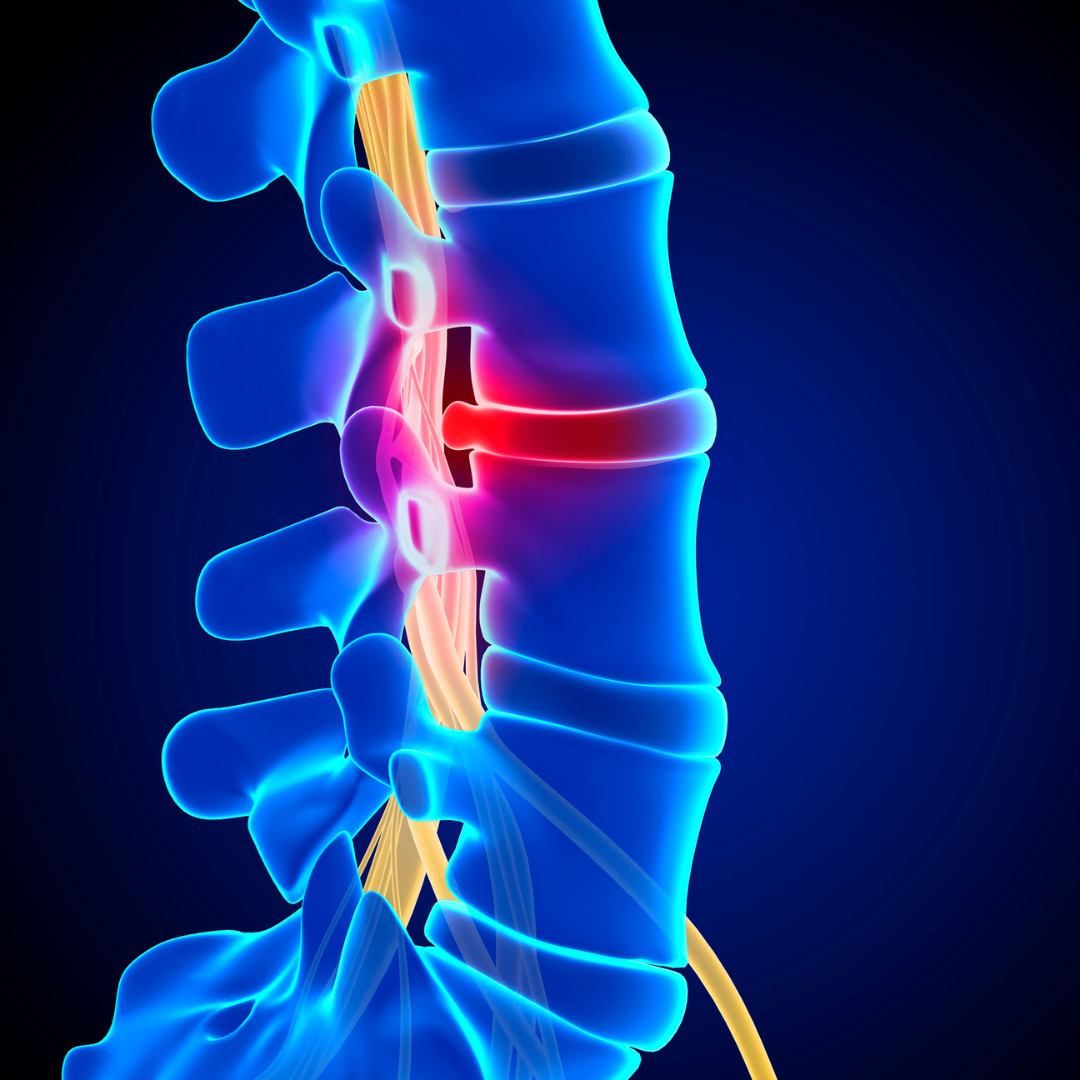
Lumbar disc herniations are one of the most common causes of lower back pain, affecting individuals of all ages. However, it’s important to note that not all lumbar disc herniations cause pain, and some people may have a herniated disc without any symptoms at all. Understanding the anatomy and physiology of the spine, as well as the pathophysiology behind disc herniation, is crucial for appreciating how the body heals itself and the role of physical therapy (PT) and dry needling in treatment. In this blog, we’ll explore the causes, prevalence, and evidence-based treatment options for lumbar disc herniations, including how the body can often recover from these injuries naturally.
What is a Lumbar Disc Herniation?
A lumbar disc herniation occurs when the gel-like center of one of the intervertebral discs in the lumbar spine (lower back) bulges or ruptures through a tear in the outer ring (annulus fibrosus) of the disc. This protrusion can press on nearby nerves, causing pain, numbness, and weakness in the affected area. In the case of a herniation that presses on a nerve root, symptoms may radiate down the leg, a condition known as sciatica.
The lumbar spine consists of five vertebrae (L1 to L5) separated by intervertebral discs that act as shock absorbers. These discs are made up of a soft, gel-like center called the nucleus pulposus and a tough, fibrous outer layer known as the annulus fibrosus. When a disc herniates, the nucleus pulposus pushes through the annulus fibrosus, potentially irritating or compressing the nearby spinal nerve roots.
Anatomy and Physiology of the Lumbar Spine
The lumbar spine is designed to support the weight of the upper body while allowing for flexibility and movement. The five lumbar vertebrae are large and sturdy, providing stability while also facilitating motion such as bending, twisting, and extending. Between these vertebrae lie the intervertebral discs, which act as cushions, preventing bone-on-bone contact and absorbing shock during movement.
Nucleus Pulposus: The inner part of the disc, which is made up of a gel-like substance. This material helps the disc absorb pressure and allows the spine to remain flexible.
Annulus Fibrosus: The outer ring of the disc, composed of dense, fibrous tissue. This part of the disc helps contain the nucleus pulposus and prevents the disc from bulging outward.
Spinal Nerve Roots: The nerves that exit the spinal cord through spaces between the vertebrae. These nerves provide sensation and movement to different parts of the body. When a herniated disc compresses or irritates these nerves, it can cause symptoms such as pain, tingling, or weakness in the affected region.
Pathophysiology of Lumbar Disc Herniation
A lumbar disc herniation often occurs due to a combination of mechanical stress, degeneration, and overuse. The process of disc degeneration begins naturally as part of the aging process. Over time, the intervertebral discs lose hydration, and the outer annulus fibrosus may weaken, making it more susceptible to tears. Once a tear occurs, the gel-like nucleus pulposus can bulge out and press against the surrounding nerve structures, causing pain and inflammation.
The following factors contribute to lumbar disc herniation:
Age-Related Degeneration: As individuals age, the intervertebral discs lose hydration and elasticity, making them more prone to damage and herniation. This is why disc herniations are more common in adults over the age of 30.
Repetitive Strain: Repeated bending, lifting, twisting, or heavy physical labor can increase the risk of disc herniation. The more pressure placed on the discs over time, the more likely they are to degenerate and potentially herniate.
Acute Injury: A sudden, forceful movement or trauma, such as lifting a heavy object improperly, can cause the disc to rupture. Trauma or accidents involving falls, car accidents, or sports injuries can also lead to herniation.
Genetics: Some people may have a genetic predisposition to disc degeneration, making them more susceptible to disc herniation even in the absence of trauma.
Prevalence and Incidence of Lumbar Disc Herniation
Lumbar disc herniations are common, particularly among people aged 30 to 50, and they are one of the most frequent causes of low back pain. According to a study in the Journal of the American Medical Association, the lifetime prevalence of low back pain due to disc herniation is approximately 60-80% in adults. While most people will experience some form of disc degeneration by the time they reach middle age, not all herniated discs result in pain. Some individuals may have a herniated disc visible on an MRI but experience no symptoms at all.
Approximately 5-10% of people with a herniated disc develop significant symptoms requiring medical intervention. Sciatica, which is often associated with lumbar disc herniation, is one of the most common symptoms of a herniated disc, and it affects about 10-40% of individuals with lower back pain.
Symptoms of Lumbar Disc Herniation
The symptoms of lumbar disc herniation vary depending on the location of the herniation, the degree of nerve compression, and the individual’s overall health. Common symptoms include:
Lower Back Pain: This is the most common symptom, especially in the early stages. Pain is often localized to the lower back and may worsen with certain movements like bending, lifting, or twisting.
Radiating Pain (Sciatica): When a herniated disc compresses a nerve root, it can cause pain that radiates down the leg. This is known as sciatica and typically affects one side of the body. The pain may be sharp or burning and can extend from the lower back to the buttock, thigh, and calf.
Numbness or Tingling: Herniated discs that affect specific nerve roots can lead to sensations of numbness or tingling, often in the legs or feet.
Weakness: Compression of the nerves can lead to muscle weakness in the affected leg, making it difficult to perform activities like walking, standing, or climbing stairs.
Evidence-Based Treatments for Lumbar Disc Herniation
The treatment of lumbar disc herniation typically involves conservative methods aimed at reducing pain and improving function. While surgery may be necessary in severe cases, most people with lumbar disc herniation benefit from non-surgical treatments, including physical therapy, pain management, and dry needling. Here are the most effective evidence-based treatments:
1. Physical Therapy
Physical therapy plays a vital role in the treatment of lumbar disc herniations. Research has shown that structured rehabilitation programs focusing on strengthening the core and stabilizing muscles around the lumbar spine can help alleviate pain and improve mobility. A study published in The Lancet showed that physical therapy, including exercise and spinal manipulation, can be highly effective in reducing pain and disability associated with disc herniation.
Core Strengthening: Strengthening the muscles in the abdomen and lower back helps stabilize the spine and reduce strain on the discs.
Postural Training: Education on posture, proper lifting techniques, and ergonomic adjustments can help prevent further disc injury.
Stretching and Flexibility: Stretching exercises for the lower back and hips can improve mobility and reduce muscle tension.
2. Dry Needling
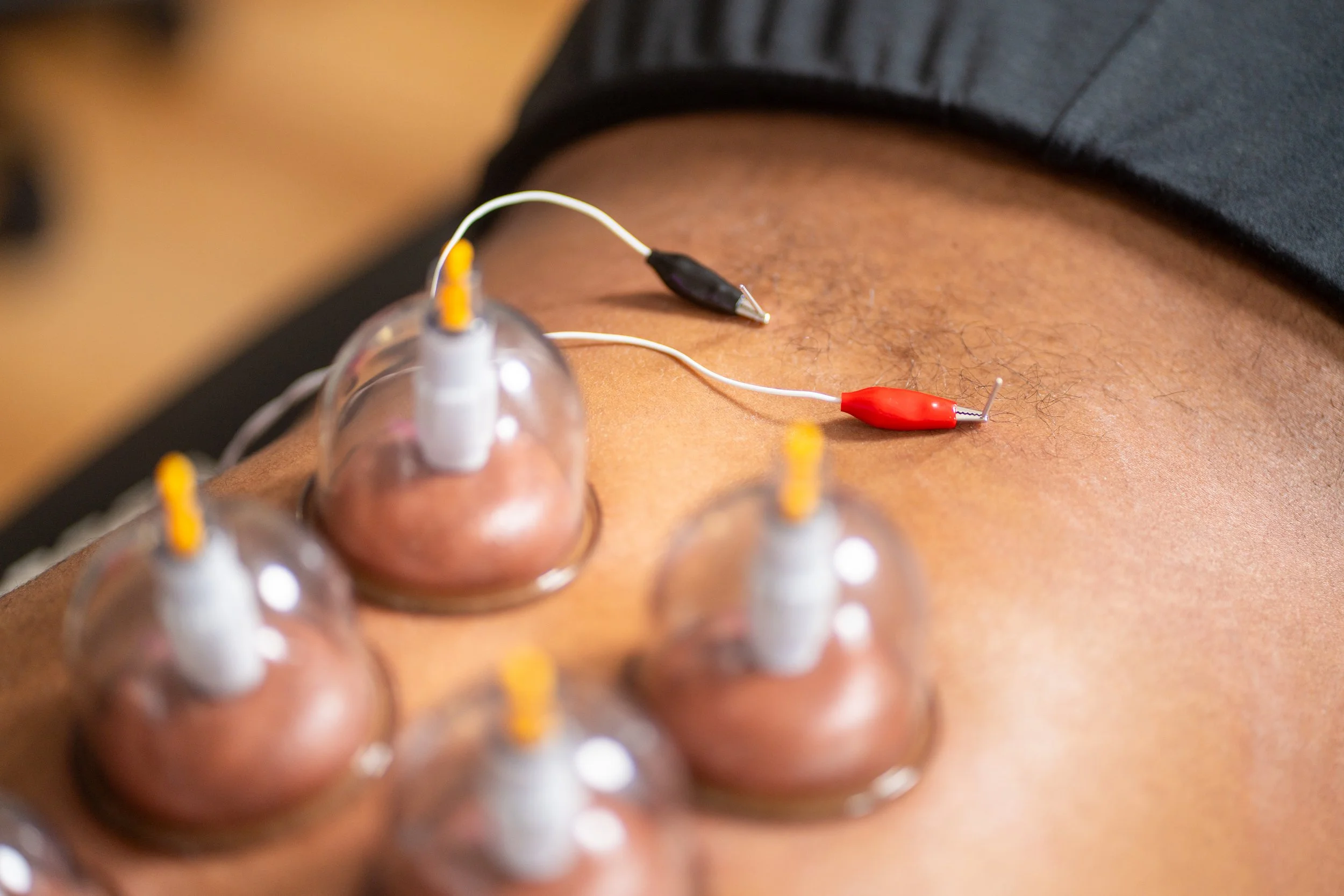
Dry needling has become a popular treatment for myofascial pain and muscle tightness associated with lumbar disc herniations. A study in The Journal of Orthopaedic & Sports Physical Therapy found that dry needling, which involves inserting fine needles into trigger points in the muscle, can help alleviate pain and reduce muscle spasms in individuals with lumbar disc herniation. By targeting tight muscles and areas surrounding nerves that contribute to lower back pain, dry needling can provide significant pain relief and improve mobility. Learn more about dry needling here.
3. Pain Management
In the acute phase, managing pain is essential. Over-the-counter pain relievers, such as NSAIDs (ibuprofen), can help reduce inflammation and provide temporary relief. Corticosteroid injections may also be used to reduce inflammation in the affected area, providing short-term pain relief. These injections, when combined with physical therapy, can make rehabilitation more effective.
4. Surgical Intervention
Surgery is typically reserved for cases where conservative treatments fail or if there is significant nerve compression leading to weakness or loss of function. The most common surgical procedures for lumbar disc herniation include:
Microdiscectomy: A minimally invasive surgery in which the herniated portion of the disc is removed to relieve pressure on the nerve.
Laminectomy: A procedure where a portion of the vertebra (the lamina) is removed to provide more space for the spinal cord and nerves.
Conclusion
Lumbar disc herniations are a common cause of back pain and can significantly impact an individual’s quality of life. While many people recover from disc herniation with conservative treatment, the body’s ability to heal itself is remarkable. Early intervention through physical therapy, dry needling, and pain management strategies can greatly improve outcomes and reduce the need for surgery. If you’re experiencing back pain or suspect you may have a herniated disc, consult with a physical therapist to develop a personalized treatment plan and start your journey to recovery.
At Wildflower Physical Therapy & Wellness in Indianapolis, we specialize in treating lumbar disc herniations and other musculoskeletal conditions. Our expert team is here to guide you through your recovery process and help you get back to doing the activities you love. Contact us today to schedule your appointment!
If you are struggling with illness or injury and would like to get your body moving, schedule a physical therapy appointment with us today! At Wildflower Physical Therapy & Wellness, we can help you to get back to the life you want to live through pain management strategies, activity promotion and exercise. Our Cash Based Physical Therapy model allows us to deliver a highly individualized treatment plan without the fuss of insurance companies. Interested in trying dry needling to support your exercise routine and maximize recovery? Reach out to us today!