
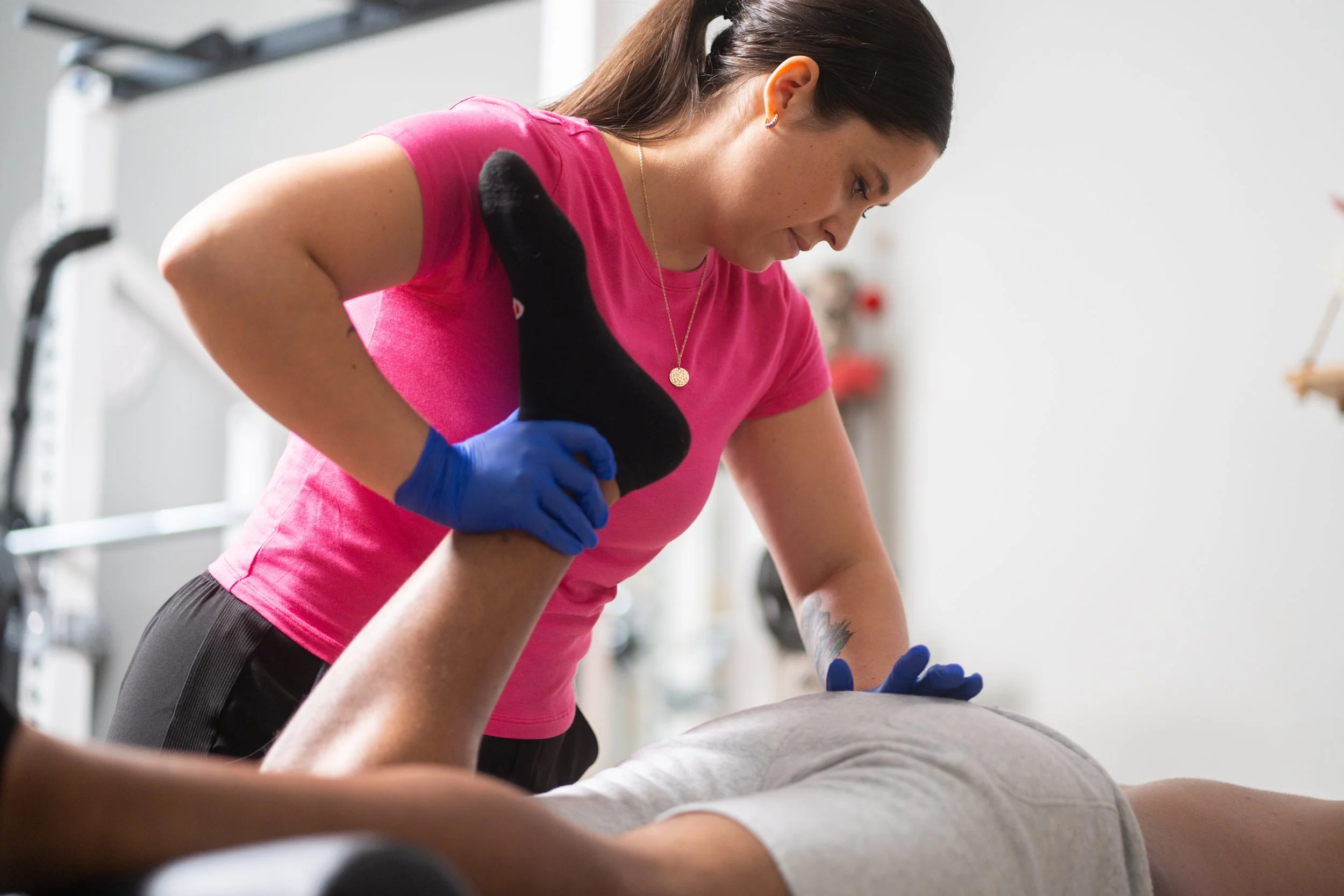
A hip labral tear is a condition that affects the cartilage in the hip joint, leading to pain, instability, and limited mobility. The labrum is a crucial structure in the hip joint, acting as a stabilizer and providing cushioning for the bones in the joint. When the labrum is torn, it can significantly impact a person’s ability to move comfortably. In this blog, we will explore what a labral tear is, how it occurs, the common symptoms, and the most effective, evidence-based treatments to manage and recover from this condition.
What is the Labrum and How Does It Function?
The labrum is a type of cartilage that forms a cup-like structure around the socket of the hip joint, known as the acetabulum. It serves several important functions, including:
Stabilization: The labrum helps keep the ball of the femur (thigh bone) securely positioned within the socket of the hip joint, contributing to joint stability.
Shock Absorption: It helps absorb forces and reduce the impact on the hip joint, preventing excessive wear and tear.
Lubrication: The labrum assists in the smooth movement of the hip joint by facilitating the flow of synovial fluid, which lubricates the joint.
Without a healthy labrum, the hip joint becomes less stable, and friction increases between the bones, which can lead to further damage.
How Do Labral Tears in the Hip Occur?
Labral tears in the hip can occur due to a variety of factors, including trauma, repetitive movement, or structural abnormalities in the hip. Common causes of hip labral tears include:
Trauma or Injury: A sudden fall, accident, or sports injury, especially those involving direct impact to the hip joint or twisting motions, can cause tears in the labrum.
Repetitive Motion and Overuse: Athletes who participate in sports that involve repetitive movements, such as soccer, hockey, or ballet, are at a higher risk for labral tears. Over time, the repetitive stress on the hip joint can cause wear and tear on the labrum, leading to tears.
Structural Abnormalities: Certain structural conditions, such as femoroacetabular impingement (FAI), can increase the likelihood of labral tears. In FAI, the bones of the hip joint have abnormal shapes that can cause friction between the femoral head and the acetabulum, which can lead to labral damage.
Hip Dysplasia: Hip dysplasia is a condition in which the acetabulum (hip socket) is shallow or improperly aligned, which can lead to labral tears due to abnormal forces on the joint.
Degeneration Due to Aging: As people age, the labrum can naturally wear down, and small tears may develop over time. This is particularly true for individuals who have had previous injuries or long-term stress on the hip joint.
Symptoms of a Hip Labral Tear
The symptoms of a hip labral tear can vary depending on the severity of the tear and the individual's activity level. Common symptoms include:
Pain in the Hip or Groin: A dull or sharp pain in the hip or groin is the most common symptom. This pain may worsen with physical activity, such as walking, running, or twisting movements.
Limited Range of Motion: People with labral tears often experience stiffness and a decreased range of motion in the hip joint. Movements that require deep hip flexion, such as squatting or bending, may be particularly difficult.
Clicking or Locking Sensations: Some individuals report a feeling of the hip “catching” or “clicking” during movement, especially when rotating or moving the leg in certain positions.
Pain with Sitting or Standing for Long Periods: Extended periods of sitting or standing may exacerbate symptoms, as the hip joint is in a fixed position and the pressure on the labrum increases.
Instability: The hip joint may feel unstable or weak, leading to difficulty with activities like walking or running. This can make the joint feel as if it might give out during movement.
Evidence-Based Treatments for Hip Labral Tears
Treatment for a hip labral tear usually starts with conservative management, focusing on reducing pain, improving joint stability, and restoring normal function. In more severe cases, surgical intervention may be necessary. Here are the most effective, evidence-based treatments:
1. Physical Therapy
Physical therapy is often the first line of treatment for a hip labral tear. Research has shown that strengthening the muscles around the hip joint and improving flexibility can help reduce the symptoms of a labral tear and prevent further injury. A study published in The American Journal of Sports Medicine found that physical therapy interventions such as strengthening exercises, stretching, and manual therapy can improve pain and function in individuals with hip labral tears.
Strengthening Exercises: Focus on strengthening the hip flexors, glutes, and core muscles. These exercises provide better stability for the hip joint, reducing strain on the labrum.
Stretching and Mobility Exercises: Gentle stretching of the hip muscles and soft tissue mobilization can help maintain or restore the range of motion in the hip joint.
Biomechanical Training: Working with a physical therapist to adjust movement patterns can help prevent excess stress on the hip joint and labrum.
Dry Needling: Dry needling can help restore joint range of motion, reduce pain and promote anti-inflammatory benefits. Learn more about dry needling here.
2. Pain Management
During the acute phase, managing pain and inflammation is crucial. Cold therapy, heat therapy, and anti-inflammatory medications such as NSAIDs (ibuprofen) are commonly used to manage symptoms. Corticosteroid injections may also be considered for patients with severe pain, providing temporary relief and allowing them to engage in physical therapy.
3. Hip Arthroscopy
In cases where conservative treatments fail to provide relief, or the labral tear is severe, surgery may be recommended. Hip arthroscopy is a minimally invasive procedure where a small camera is inserted into the hip joint to visualize the labrum and remove or repair the damaged tissue. A study published in The Journal of Bone and Joint Surgery showed that hip arthroscopy is an effective treatment for patients with labral tears, particularly when combined with physical therapy for rehabilitation.
Labral Repair: In some cases, the torn labrum can be repaired using sutures to reattach the tissue to the acetabulum.
Labral Debridement: If the tear is extensive, the damaged portion of the labrum may be removed, though this option carries a risk of increased joint instability over time.
4. Lifestyle and Activity Modifications
For individuals with hip labral tears, avoiding activities that cause pain or stress on the hip joint is essential. Low-impact activities, such as swimming or cycling, can allow individuals to maintain cardiovascular fitness while reducing the risk of further injury to the hip. Modifying movement patterns and ergonomics at work and during daily activities can also help prevent further strain on the hip joint.
Conclusion
Hip labral tears are a common cause of hip pain and dysfunction, particularly in athletes and active individuals. Early diagnosis and treatment are key to managing this condition effectively and preventing long-term damage to the hip joint. Physical therapy, pain management, and surgical options like hip arthroscopy are evidence-based treatments that can help individuals with labral tears regain their mobility and reduce pain. If you suspect you have a hip labral tear or are experiencing hip pain, consider consulting with a physical therapist for a personalized treatment plan.
At Wildflower Physical Therapy & Wellness in Indianapolis, we specialize in treating hip injuries, including labral tears, with a holistic and personalized approach. Our expert team is here to guide you through your recovery, helping you get back to your favorite activities. Contact us today to schedule your appointment and start your path to healing!
If you are struggling with illness or injury and would like to get your body moving, schedule a physical therapy appointment with us today! At Wildflower Physical Therapy & Wellness, we can help you to get back to the life you want to live through pain management strategies, activity promotion and exercise. Our Cash Based Physical Therapy model allows us to deliver a highly individualized treatment plan without the fuss of insurance companies. Interested in trying dry needling to support your exercise routine and maximize recovery? Reach out to us today!