
Understanding Femoroacetabular Impingement (FAI): Causes, Symptoms, and Evidence-Based Treatments
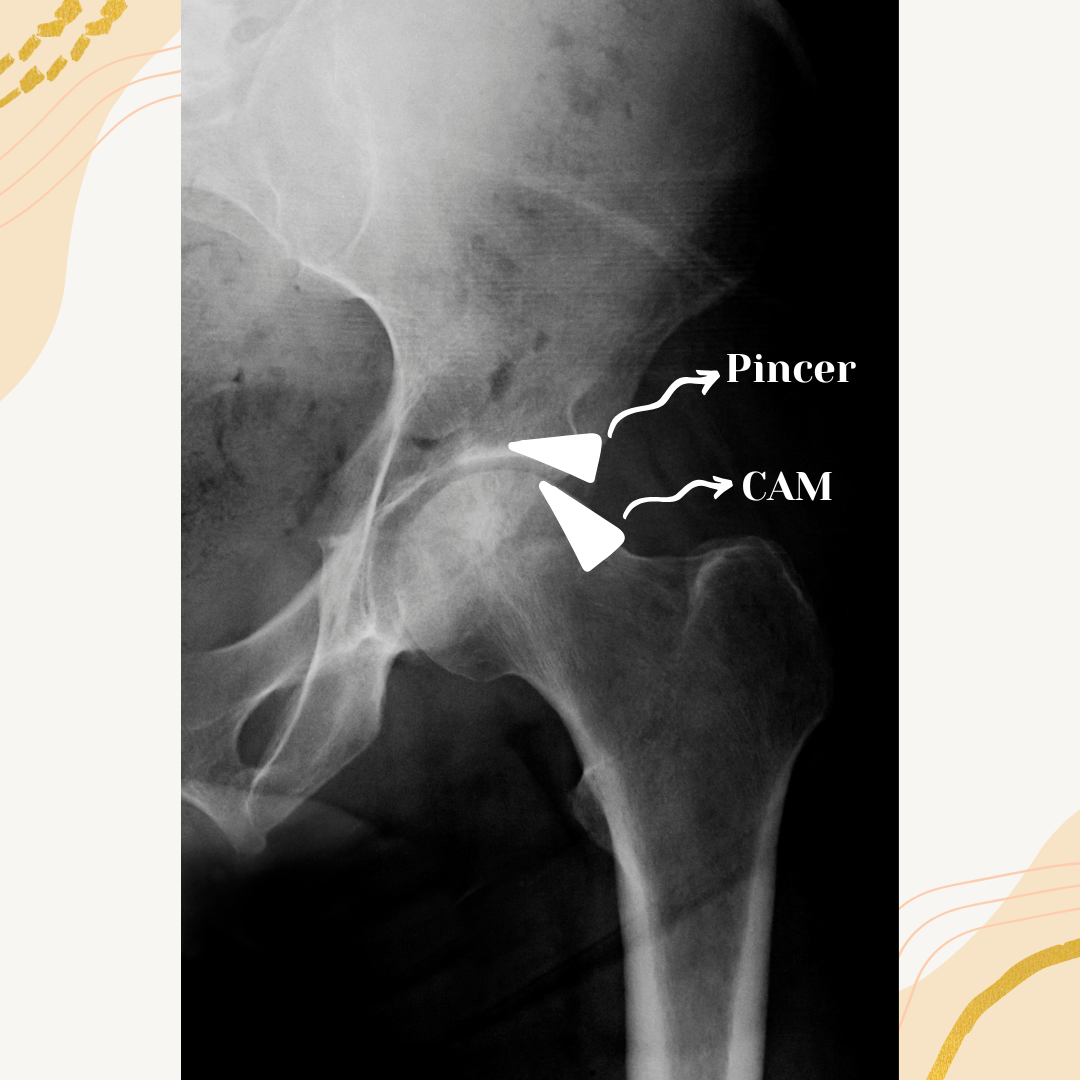
Femoroacetabular Impingement (FAI) is a condition that affects the hip joint, causing pain and limited mobility. It is increasingly being recognized as a leading cause of hip pain, particularly in young, active individuals. FAI occurs when there is abnormal contact between the femoral head (ball) and the acetabulum (socket) of the hip joint, leading to damage of the cartilage and the surrounding structures. In this blog, we will explore the causes, symptoms, pathophysiology, and evidence-based treatments for FAI, including how physical therapy can be an essential part of the recovery process.
What is Femoroacetabular Impingement (FAI)?
Femoroacetabular Impingement (FAI) is a condition in which the bones of the hip joint have abnormal shapes that prevent the joint from moving smoothly. FAI is generally classified into three types based on the area of the hip joint where the impingement occurs:
Cam Impingement: In this type, the femoral head (ball of the hip) is not perfectly round and may have a bump or irregularity. This abnormal shape causes the femur to abut the acetabulum (socket) during movement, resulting in friction.
Pincer Impingement: Pincer impingement occurs when the acetabulum is too deep, or the rim of the socket extends too far over the femoral head. This excess bone creates friction and restricts hip movement.
Mixed Impingement: A combination of both cam and pincer impingement is common, with both the femur and the acetabulum contributing to restricted movement and pain in the hip.
FAI can lead to cartilage damage, which increases the risk of developing osteoarthritis over time if left untreated.
Pathophysiology of Femoroacetabular Impingement
The underlying cause of FAI is the structural abnormality of the hip joint. These abnormalities lead to abnormal contact or impingement during normal hip movements, such as walking, running, or squatting. The constant friction between the bones damages the cartilage and soft tissue structures around the joint, causing inflammation, pain, and limited range of motion.
The pathophysiology of FAI involves:
Mechanical Impingement: Abnormal bone growth in the femoral head (cam) or acetabulum (pincer) causes the bones to rub against each other during hip movements.
Soft Tissue Damage: The repeated impingement can cause damage to the cartilage (labral tears), leading to pain and joint dysfunction.
Inflammatory Response: The constant friction and injury can result in inflammation within the hip joint, contributing to pain and further damage to the surrounding tissues.
Over time, FAI can cause further degeneration, leading to the development of hip osteoarthritis if the underlying structural issues are not addressed.
Symptoms of Femoroacetabular Impingement
The symptoms of FAI can vary depending on the type and severity of the condition, but they commonly include:
Hip Pain: The most common symptom of FAI is hip pain, typically felt in the groin area. The pain may also be felt on the outside of the hip or buttock, depending on the type of impingement.
Pain with Movement: Certain movements that involve hip flexion (bending the hip) or internal rotation (rotating the hip inward) can aggravate the pain. Activities like running, squatting, or sitting for long periods can worsen symptoms.
Limited Range of Motion: Individuals with FAI often experience stiffness in the hip, particularly with movements that require deep flexion or rotation. This limitation can interfere with daily activities like walking or climbing stairs.
Clicking or Locking Sensations: Some people with FAI report a sensation of "catching" or "clicking" in the hip joint, which may be a result of the labrum being pinched or irritated by the abnormal bone structures.
Pain after Physical Activity: The pain tends to worsen after physical activities that involve the hip joint, such as sports, exercise, or prolonged walking.
Causes and Risk Factors for Femoroacetabular Impingement
The primary cause of FAI is the abnormal shape or alignment of the bones in the hip joint. These abnormalities can be congenital (present at birth) or acquired. The following factors may increase the risk of developing FAI:
Genetic Factors: Some individuals are born with anatomical abnormalities in the hip joint, such as a cam or pincer deformity. These structural issues increase the risk of FAI.
Athletic Overuse: Athletes who participate in sports that involve repetitive hip movements, such as soccer, hockey, ballet, or running, are at an increased risk of developing FAI. Repetitive motions can lead to wear and tear on the joint and contribute to the development of structural abnormalities.
Previous Injury: A history of hip injuries, such as fractures or dislocations, can lead to changes in the joint’s anatomy, increasing the likelihood of FAI.
Age: FAI is most commonly diagnosed in young adults, typically between the ages of 20 and 40, especially in those who are physically active.
Gender: Although both men and women can develop FAI, the condition is more common in men, especially those with cam-type impingement.
Evidence-Based Treatments for Femoroacetabular Impingement
Treating FAI typically begins with conservative methods to reduce pain, restore function, and prevent further joint damage. The most effective evidence-based treatments include physical therapy, pain management, and, in more severe cases, surgical interventions.
1. Physical Therapy and Exercise
Physical therapy is a cornerstone of treatment for FAI, with a focus on improving joint mobility, reducing pain, and strengthening muscles that support the hip. Research published in the British Journal of Sports Medicine has shown that physical therapy can help alleviate symptoms, even in cases of structural hip abnormalities. Specific goals of physical therapy for FAI include:
Strengthening: Exercises that strengthen the hip muscles (especially the glutes and core) help stabilize the hip and reduce the stress placed on the hip joint.
Stretching and Mobilization: Stretching tight muscles and mobilizing the hip joint can improve flexibility and reduce the friction caused by abnormal bone contact.
Biomechanical Training: Educating patients on proper movement patterns and avoiding positions that exacerbate impingement is essential for long-term relief.
Dry Needling: Dry needling can help to reduce chronic inflammation, promote blood flow to the area, and reduce tension in tight and overworked muscles to restore joint motion.
2. Pain Management
For acute pain, nonsteroidal anti-inflammatory drugs (NSAIDs) can provide temporary relief by reducing inflammation. Corticosteroid injections may be recommended for more severe pain and inflammation around the hip joint. These injections may help reduce swelling and make physical therapy more effective.
3. Surgical Treatment
In cases where exhaustive conservative treatments fail to provide relief, surgery may be necessary and should be considered as a last resort treatment. Two main types of surgery for FAI are:
Hip Arthroscopy: A minimally invasive procedure in which a small camera is used to examine the hip joint and remove or repair damaged tissues, such as labral tears.
Open Surgery: In more severe cases, an open surgical procedure may be required to reshape the femoral head or acetabulum to prevent impingement and improve joint function.
A study published in the American Journal of Sports Medicine shows that hip arthroscopy is effective in improving hip function and alleviating pain for individuals with FAI, particularly when combined with physical therapy, however the long-term benefits of surgery are similar to those of conservative measures. Make sure to talk to your Physical Therapist about the current literature to weigh the pros and cons of invasive measures.
Conclusion
Femoroacetabular Impingement is a common yet often overlooked cause of hip pain, especially in active individuals. Early diagnosis and evidence-based treatment are crucial for managing FAI and preventing long-term joint damage. Physical therapy, pain management, and surgical options offer effective ways to address the condition and restore function. If you’re experiencing hip pain or suspect you have FAI, consult with a physical therapist to develop a tailored treatment plan and take the first step toward pain relief.
At Wildflower Physical Therapy & Wellness in Indianapolis, we specialize in treating hip conditions, including FAI, with a personalized approach. Our expert therapists are here to guide you through your recovery, so you can get back to the activities you love. Contact us today to schedule your appointment!
If you are struggling with illness or injury and would like to get your body moving, schedule a physical therapy appointment with us today! At Wildflower Physical Therapy & Wellness, we can help you to get back to the life you want to live through pain management strategies, activity promotion and exercise. Our Cash Based Physical Therapy model allows us to deliver a highly individualized treatment plan without the fuss of insurance companies. Interested in trying dry needling to support your exercise routine and maximize recovery? Reach out to us today!